



Weekend Surcharge vs Card Surcharge: What’s Still Allowed?
Same Receipt, Very Different Rules
A weekend surcharge and a card surcharge can appear on the same receipt, but they are not treated the same way.
From 1 October 2026, Australian businesses can no longer add a surcharge just because a customer pays with Visa, Mastercard, American Express or eftpos. But a weekend or public holiday surcharge may still be allowed when it applies because of the day or trading conditions, not because of the customer’s card choice.
That distinction matters for cafes, restaurants, salons, clinics, online booking platforms, and any business that uses payment terminals or checkout software. The safer question is not “Can I charge a surcharge?” It is “What triggers the fee?”
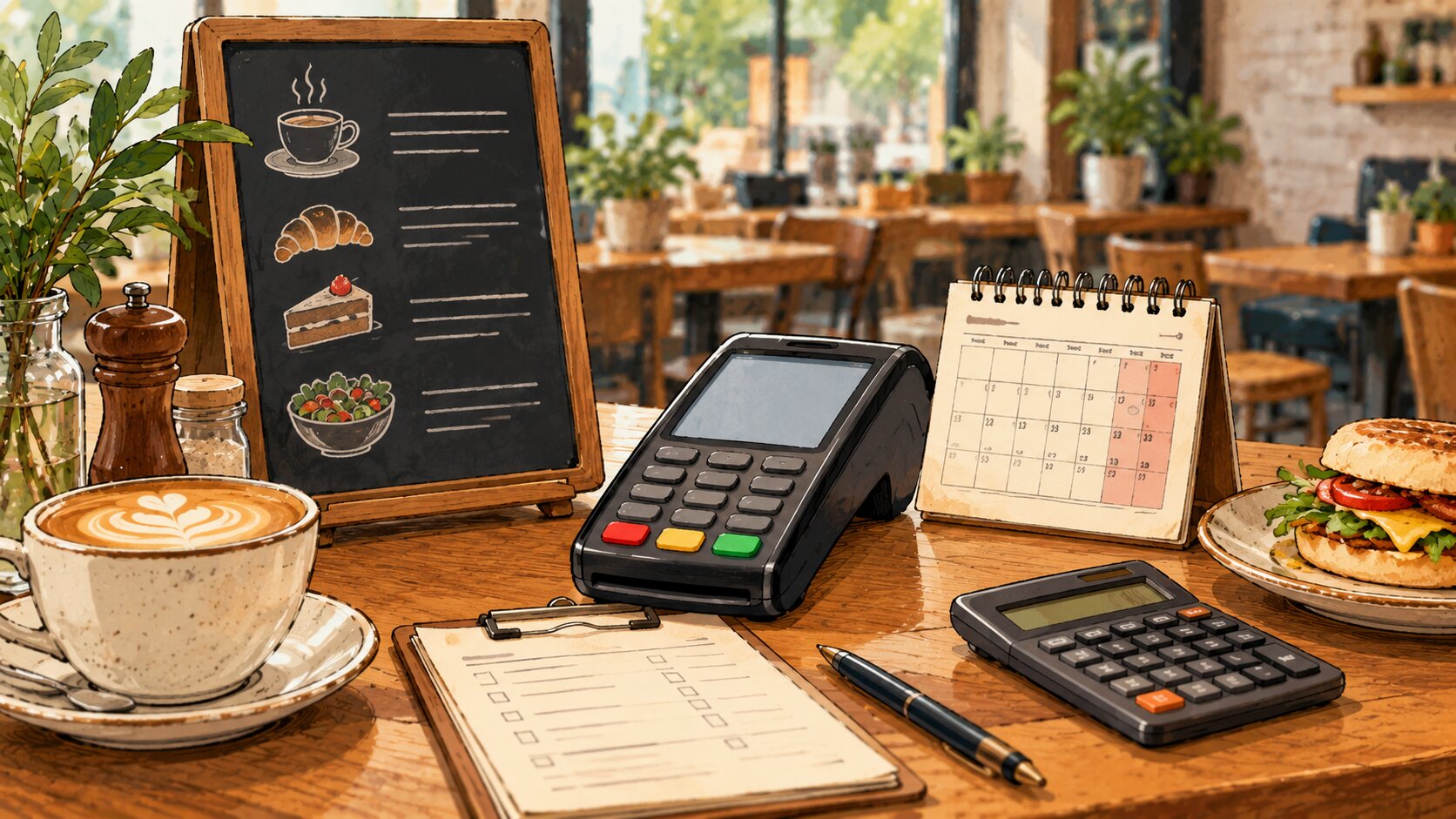
The simple difference between the two surcharges
A card surcharge is a fee added because the customer pays by card. For example, a cafe bill of A$40 becomes A$40.60 because the customer taps a Visa, Mastercard, American Express or eftpos card.
A weekend surcharge is a fee added because of when the customer buys, books, eats, or receives the service. For example, a restaurant adds 10% on Sundays to help cover higher weekend labour or operating costs.
The practical difference is the trigger:
| Surcharge type | What triggers it? | Example |
|---|---|---|
| Card surcharge | Paying by card | “1.2% card fee applies” |
| Weekend surcharge | Buying on a weekend | “10% Sunday surcharge applies” |
| Public holiday surcharge | Buying on a public holiday | “15% public holiday surcharge applies” |
| Booking fee | Using a booking service or platform | “A$3 booking fee applies” |
If the extra charge appears only because the customer uses a card, it is a card surcharge issue. If it applies to all customers on a Sunday regardless of payment method, it is a different type of surcharge.
What changed for card surcharges in Australia
From 1 October 2026, businesses can no longer add a surcharge for payments made using Visa, Mastercard, American Express or eftpos cards. This covers credit, debit and prepaid card payments where those networks apply.
The ACCC says these changes only apply to card payment surcharges. They do not automatically ban unrelated fees or surcharges, including hospitality weekend or public holiday surcharges.
Businesses can still reflect card acceptance costs in their overall prices. What they should not do is keep charging a separate card fee or try to avoid the rule by calling the same card-triggered fee something else.
Why weekend and public holiday surcharges may still be allowed
Weekend and public holiday surcharges usually relate to trading conditions, not payment method. Hospitality businesses, for example, may face higher penalty rates, staffing costs, supply costs, or operating constraints on Sundays and public holidays.
That does not mean a weekend surcharge can be hidden. Businesses still need to comply with price display rules. If the surcharge can be calculated when the price is displayed, the total minimum price should be clear enough for customers before they order, book, or pay.
A simple example:
- Menu item: A$30
- Sunday surcharge: 10%
- Sunday total: A$33
A sign that says “10% Sunday surcharge applies” may help, but the clearer the price display, the lower the chance of customer confusion.
Side-by-side comparison table
| Question | Weekend surcharge | Card surcharge |
|---|---|---|
| Is it based on the customer using a card? | No | Yes |
| Can it still apply after 1 October 2026? | Usually yes, if properly disclosed and not misleading | No for Visa, Mastercard, American Express and eftpos card payments |
| Who commonly uses it? | Cafes, restaurants, bars, venues, service businesses | Previously many merchants with card acceptance costs |
| What should customers see? | Clear disclosure before ordering, booking, or paying | No separate card surcharge for covered card payments |
| Main risk | Poor disclosure or unclear total pricing | Charging a banned card fee or relabelling it misleadingly |
| Better wording | “10% Sunday surcharge applies to all Sunday orders” | “Card surcharges are not added” |
How businesses should display surcharges
Good surcharge display starts before the customer pays. The customer should not discover an unavoidable or predictable surcharge only at the final payment screen.
For in-store businesses, check:
- Counter signs
- Table menus
- Printed menus
- QR menus
- Receipts
- POS terminal prompts
- Staff scripts
- Website menus
- Google Business Profile menu links
- Online ordering pages
For online businesses, check:
- Product pages
- Booking pages
- Cart pages
- Checkout pages
- Invoice payment pages
- Confirmation emails
- Terms and conditions
- Third-party platform listings
A weekend surcharge should be clearly described as a weekend or public holiday surcharge, not mixed with card payment wording. A card surcharge should be removed from covered card payment flows from 1 October 2026.
Common surcharge mistakes
Mistake 1: Keeping old “card surcharge applies” signs
Old signage can mislead customers even if staff are no longer applying the fee. Remove outdated counter signs, menu footnotes, QR menu notices, and receipts that mention card surcharges.
Mistake 2: Calling a card surcharge a “service fee”
Changing the label does not fix the problem if the fee still appears only when someone pays by card. The ACCC warns that businesses should not try to avoid no-surcharge rules by describing a card payment surcharge as another fee or charge.
Mistake 3: Combining weekend and card surcharges into one vague line
A notice such as “fees may apply” is weak because customers may not know what fee applies, when it applies, or how much it will be.
Clearer:
“10% Sunday surcharge applies to all orders on Sundays. Card surcharges are not added.”
Mistake 4: Showing the cheaper weekday price too prominently
If a restaurant heavily promotes a weekday price but a predictable Sunday surcharge applies, customers should be able to understand the Sunday cost before ordering.
Mistake 5: Forgetting delivery, booking, or QR ordering platforms
A restaurant may remove card surcharge settings from its in-store POS but forget that a booking platform, QR ordering tool, or online payment provider still displays a card processing fee. That can create confusion and complaints.
Decision tree: can this surcharge still apply?
Use this as a first-pass check.
1. Does the extra charge appear because the customer pays by Visa, Mastercard, American Express or eftpos?
If yes, do not treat it as a separate card surcharge after 1 October 2026.
2. Does the extra charge apply to everyone on a certain day, such as Sunday or a public holiday?
If yes, it may be a weekend or public holiday surcharge, but it still needs clear price disclosure.
3. Does the extra charge apply because of a booking platform, delivery service, event ticketing system, or optional add-on?
Check whether it is genuinely unrelated to card payment. If it is really tied to card use, it may still create surcharge risk.
4. Is the fee disclosed before the customer commits?
If not, improve signs, menus, website wording, and checkout screens.
5. Would an ordinary customer understand the total price?
If not, simplify the display.
Mini case example: restaurant bill on a Sunday
A restaurant sells a pasta dish for A$28 on weekdays. On Sundays, it applies a 10% Sunday surcharge to all dine-in orders because weekend staffing costs are higher.
A customer orders the pasta on Sunday and pays with a Mastercard.
The clearer receipt structure would be:
| Line item | Amount |
|---|---|
| Pasta | A$28.00 |
| Sunday surcharge, 10% | A$2.80 |
| Card surcharge | A$0.00 |
| Total | A$30.80 |
This is different from charging A$28 plus a 10% Sunday surcharge plus a 1.2% card fee. The Sunday surcharge is based on the day. The card fee is based on payment method and should not be separately added for covered card payments after 1 October 2026.
A sign at the entrance and on the menu could say:
“10% Sunday surcharge applies to all Sunday orders. Card surcharges are not added.”
That is stronger than “fees apply”, because the customer can understand what fee applies and why.
Key takeaways
Weekend surcharges and card surcharges are not the same thing. The card surcharge ban targets fees added because a customer pays with Visa, Mastercard, American Express or eftpos. Weekend and public holiday surcharges may still apply when they are based on the trading day and are clearly disclosed.
For businesses, the practical task is to separate the two issues. Remove card-triggered fees, keep legitimate non-card surcharges clear, and check every customer-facing price display before 1 October 2026.
Practical next step for businesses
Run a surcharge audit using three columns:
| Where the fee appears | What triggers it? | Action needed |
|---|---|---|
| POS terminal | Card payment | Remove card surcharge setting |
| Sunday menu | Sunday trading | Keep, but make disclosure clear |
| QR ordering platform | Unclear | Check provider settings |
| Booking page | Booking process | Confirm whether it is card-related |
| Receipt template | Old card fee wording | Update receipt wording |
Do this before customers start asking questions at the counter. It is easier to fix a surcharge setting early than explain an unclear receipt later.
FAQs
Q1. Are weekend surcharges banned in Australia after 1 October 2026?
A1. No. The card surcharge changes do not ban weekend or public holiday surcharges just because they are surcharges. The key difference is that a weekend surcharge is based on the day of service or purchase, not the customer’s card payment method.
Q2. Can a restaurant charge a Sunday surcharge if I pay by card?
A2. A restaurant may still apply a Sunday surcharge if it applies to Sunday orders generally and is clearly disclosed. It should not also add a separate surcharge because you paid with Visa, Mastercard, American Express or eftpos.
Q3. Can a business call a card surcharge an admin fee?
A3. The label is not enough. If the fee is really triggered by the customer paying by card, calling it an admin fee, service fee, or processing fee may still create risk. Businesses should check their provider rules and get professional advice if unsure.
Q4. What should I do if a card surcharge appears on my receipt after 1 October 2026?
A4. Start by asking the business to explain the charge. If it is a fee for paying by Visa, Mastercard, American Express or eftpos, you can raise the issue with the relevant card network or payment provider. If you think the price display was misleading, you can also consider consumer protection complaint options.
By: Raxan.net Editorial
About the author: Raxan.net Editorial publishes practical small business, marketing, technology, and compliance-focused guides for business owners and operators.
Last updated: 2026-10-03
Disclosure: This article is general information only. It is not legal, financial, accounting, or payment provider advice.
Disclaimer
This article provides general information for Australian businesses and consumers. It does not provide legal, accounting, financial, tax, or payment provider advice. For specific surcharge, pricing, contract, or compliance decisions, speak with a qualified professional or your payment service provider.
References