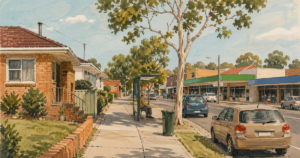
How to Keep a House Cooler During Hot Australian Summers
Cool the house before it overheats
A lot of summer heat problems start too late. People wait until the lounge room feels like an oven, then switch on everything at once and hope for the best. That can help a little, but the more effective move is stopping heat from building up in the first place.
In Australia, the most useful home-cooling habits are usually simple. Block the sun before it pours through glass, reduce hot air leaks, use breezes when they help, and cool people directly when the house is already losing the battle.
This guide is general educational information for ordinary homes and rentals. It is not medical advice, and it does not replace local heatwave warnings or urgent advice for people at higher risk in extreme heat.
Home cooling at a glance
- Best for: Australian households dealing with hot days, warm nights, high cooling bills, or homes that overheat by mid-afternoon.
- What this covers: Lower-cost habits, passive cooling basics, room-by-room priorities, and safer heatwave steps.
- What this does not cover: Detailed HVAC repair, electrical work, or a custom building design for your exact home.
- Main caution: Some cooling tricks improve comfort, but they do not make a dangerously hot house safe for everyone.
- When to get extra help: If an older adult, baby, pregnant person, or someone with illness, disability, or medication sensitivity is struggling in the heat, do not rely on household hacks alone.
What works first, before you buy anything expensive
The cheapest cooling wins are usually about timing and heat control, not gadgets. Heat gets into the house through windows, hot draughts, poorly shaded glass, and roof and wall exposure. So the first job is to stop the sun and hot air from loading the house up all day.
Start with sun, glass, and gaps
Windows matter more than many people realise. In Australian guidance, shading glass is one of the best ways to reduce unwanted summer heat gain. That is why blinds, curtains, shutters, awnings, shade cloth, and outdoor planting can matter more than buying one more fan for an already overheated room.
Internal curtains and blinds help, but external shading is often stronger because it blocks the sun before it passes through the glass. If you only change one thing before the hottest part of summer, focus first on the rooms that get hammered by afternoon sun, especially west-facing spaces.
Then deal with gaps. If hot outdoor air keeps sneaking in through loose doors, rattly windows, or visible cracks, your cooling effort leaks away all day. Door snakes, weather strips, simple sealant work, and heavier curtains can make a surprisingly noticeable difference in both comfort and running costs.
Use ventilation on purpose, not by habit
Not every open window helps. When the outside air is hotter than inside, opening everything can just invite more heat in. A smarter rule is to close up during the hottest stretch, then use cooler evening or early-morning air when it actually helps flush stored heat out.
This is where Australian passive-cooling guidance is useful. Ventilation works best when it is deliberate, such as creating a cross-breeze at the right time, using fans to support airflow, and letting cooler night air move through the house when conditions allow. In homes with a decent day-night temperature drop, that timing matters a lot.
Quick checklist
- [ ] Close blinds, curtains, shutters, or other sun-blocking window coverings before the hottest part of the day.
- [ ] Prioritise west-facing and afternoon-sun rooms first.
- [ ] Seal obvious gaps around doors and windows so hot air stays out and cooled air stays in.
- [ ] Shut rooms you are not using, so you are not trying to cool the whole house at once.
- [ ] Open up later only when outdoor air is actually cooler than indoor air.
A realistic example
A renter in western Sydney cannot install new glazing or major awnings. But they can still improve comfort by closing the living-room blinds before lunch, adding a door snake at the front door, moving a pedestal fan to support nighttime cross-ventilation, and avoiding oven use on 38°C days. None of that sounds dramatic, but together it can stop the house from climbing as fast and make the evening recovery less miserable.
When the house is already hot
Once the house is already loaded with heat, the goal changes. You are no longer just cooling the building. You are cooling people, reducing exposure, and preventing a rough afternoon from becoming a health problem.
Use active cooling where it counts
Air-conditioning is often the most effective way to bring indoor temperature down when heat is severe. If you have it, use it strategically. Cool the room you are actually in, keep that room more sealed, and do not fight against open doors, sunlit glass, or hot draughts.
Fans can still help, but they are not magic. NSW Health notes that electric fans can be less effective at extremely high temperatures, around 39°C and above. That does not mean they are useless in every case, but it does mean they should not be your only plan during severe heat.
Cool people directly, not just the air
When summer heat is relentless, direct body cooling matters. Light loose clothing, cool showers, damp skin, a spray bottle, cool packs, and drinking fluids if medically appropriate can all help reduce heat stress. This is especially important when warm nights stop the body from recovering.
If your house remains too hot, shift the plan. A library, shopping centre, community facility, or another air-conditioned place may be the safer option for part of the day. This is not “giving up” on your house. It is using the safer environment available.
Comparison Table
| Option | When to Choose | Pros | Cons |
|---|---|---|---|
| Close up and shade early | Morning to early afternoon, before the heat builds | Cheap, immediate, reduces solar gain | Works less well if the home is already heat-soaked |
| Night purge ventilation | When outdoor air is clearly cooler than indoor air | Helps dump stored heat, low running cost | Not useful if nights stay hot or air outside is unsafe |
| Fans | Mild to moderately hot rooms, especially with airflow | Low cost, easy to use | Less effective in extreme heat, does not lower air temperature |
| Air-conditioning in one room | Severe heat or vulnerable household members | Most effective direct cooling option | Higher running cost, depends on sealing and power |
| Leave for a cooler public place | Home remains dangerously hot | Strong safety option during heatwaves | Less convenient, not ideal as a last-minute scramble |
What not to assume
- “If I open every window, the house will cool faster.” Only if the air outside is actually cooler.
- “A fan is enough in any heat.” Not always. In extreme heat, fans may be less effective on their own.
- “Cooling the whole house is the only worthwhile option.” Often it is smarter to cool one usable room well.
- “If I am indoors, I am automatically safe.” A house can still become dangerously hot during a severe heatwave.
What to do before the next heatwave
The best time to make a hot house more bearable is before the next brutal run of days arrives. A small cooling plan beats a vague intention every time.
Safer next steps
- Choose one or two rooms to treat as your priority cool spaces.
- Check shading, curtains, and obvious draught leaks before peak summer.
- Set up a simple heatwave routine, including closing up early, checking warnings, and knowing where you could go if home becomes too hot.
- Keep water, chargers, medications, and cooling basics easy to reach.
- Turn on BOM warning notifications so you are not surprised by severe or extreme heat.
Red flags or when to seek help
- Someone in the home is dizzy, confused, weak, unusually sleepy, or not coping in the heat.
- Warm nights mean there is no real recovery between hot days.
- The home stays dangerously hot despite fans, shading, and available cooling.
- A person in the home has health conditions, medication needs, disability, pregnancy, or age-related vulnerability that raises heat risk.
The bottom line
How to keep a house cooler during hot Australian summers is partly about the building and partly about timing. Block sun early, seal the easy leaks, use airflow when it helps, and cool people directly when the house is already too hot.
That approach will not solve every bad design problem. But it usually works better than waiting until mid-afternoon and hoping one appliance fixes a whole day of heat.
FAQs
Q1. Is it better to keep windows shut on hot days?
A1. Usually during the hottest part of the day, yes, especially if the outdoor air is hotter than inside. Later, when the outside air cools down, opening up for cross-ventilation can help.
Q2. Do fans actually cool a room?
A2. Fans mainly help people feel cooler by moving air across the body. They do not lower room temperature the way air-conditioning can, and in very high heat they may be less effective on their own.
Q3. What is the first thing to fix in a hot house?
A3. For many homes, the first useful fix is shading sun-exposed glass and closing up early. After that, obvious draught sealing and better room-by-room cooling strategy usually offer good value.
Q4. What if my home is still too hot at night?
A4. Warm nights are a serious problem because they reduce recovery from daytime heat. Use the coolest room available, cool showers or damp skin cooling, and consider spending time in an air-conditioned place if home conditions stay too hot.
By: Rex Iriarte
About the author: Editorial research and practical explainers focused on turning public guidance into clear, usable planning checklists for everyday households.
Last updated: 2026-04-23
Disclosure: No paid placement influenced this post.
Disclaimer
This article is general educational information for home comfort and heat planning. It does not replace medical advice, emergency warnings, electrical advice, or building-specific professional assessment. In immediate danger or a medical emergency, follow official instructions and call 000.
References